
Professional Leash Training Review 🎓
Did you enjoy my last post about testing different walking harnesses for leash training?
Today, I want to share a related experience: the time I hired a professional puppy trainer while also experimenting with various harnesses.
We only did one session. So was it worth it? Let me tell you the full story.
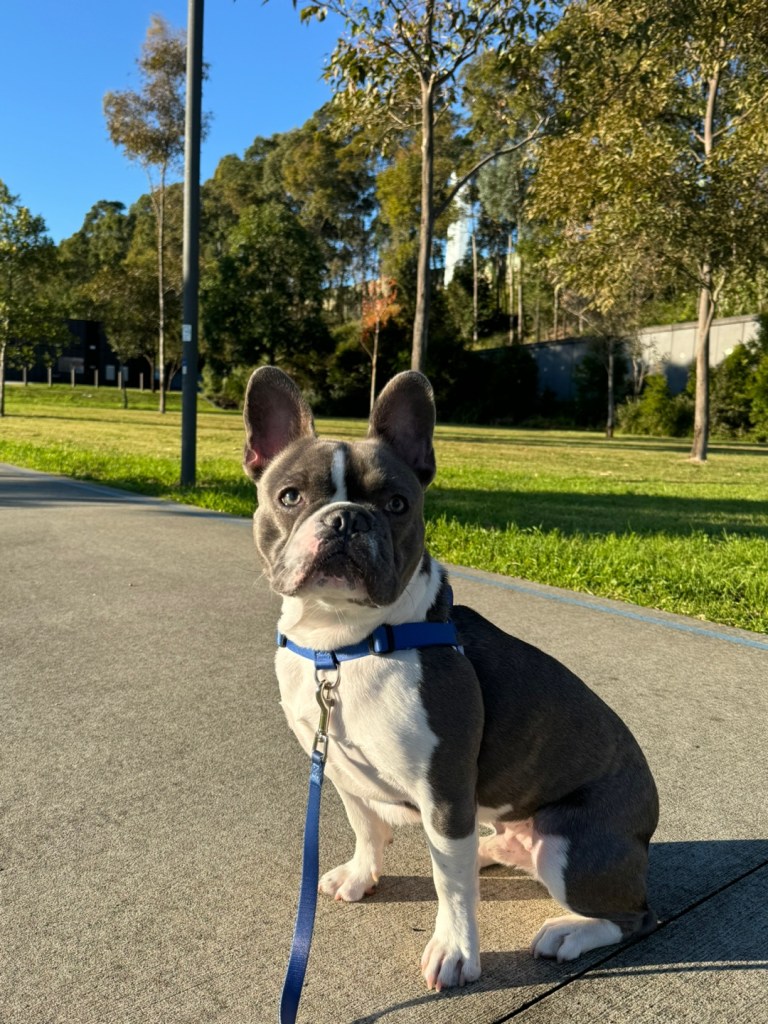
My Final Verdict: 3 out of 5 ⭐⭐⭐☆☆
Would I recommend it?
After missing the key puppy training window (up to around one year old), we found it tough to train with just a harness, especially since we had no real knowledge of puppy training, I decided to bite the bullet and hire a professional dog trainer. I found mine through bark.com after a Google search for “dog trainers near me.” The reviews looked decent, and the price seemed reasonable compared to others in my area.
I ended up going with a relatively affordable trainer who charged AUD $500 per household for one-on-one in-home sessions. While this seemed like a good deal, I found that there were actually a wide range of options out there. Some programs asked for as much as $2,000 upfront, promising lifetime training support for a single dog and anytime, anywhere. Others offered a set number of sessions for around $1,000, and the pricing varied quite a bit depending on the trainer and program structure.
The trainer I chose had solid reviews and was open to some flexibility on the price, which made the decision easier. On top of that, I was able to split the session with a friend who also has a dog, which brought the final cost down to $500 per household. That made it feel like a fair and worthwhile investment, especially for the personalized, in-home approach.
Luckily, my friend was dealing with similar issues with her 3-year-old mixed Pomeranian, so we booked sessions together and got a small group discount (which probably saved us).
The setup was interesting – the trainer visited her place first to work with her Pom, then came to our house to focus on Zero. The final session was supposed to be the best part: both families walking together for hands-on leash training practice.
What We Asked For: Zero’s Challenges & Our Concerns 🐾
✔️ Potty Training Tips
Zero usually does his business on the balcony where his pee pad is, but back then, he’s been having little accidents going inside when he’s too into playtime or missing the pad and going halfway there. We worked on reinforcing the right habits and clear boundaries.✔️ Reducing Excessive Barking
We learned calming techniques to help Zero stay quiet when he gets too excited or demands attention.✔️ Walking Beside or Behind Us
Instead of zigzagging or trying to lead, we practiced getting him to stay nicely beside or just behind us during walks.✔️ No More Harness Drama
Getting dressed shouldn’t feel like a wrestling match! We worked on making harness and collar time smoother and stress-free.✔️ Staying Grounded When Excited
Zero has a habit of jumping up and leaning on people when he’s excited. We practiced keeping all four paws on the ground—even in his most excited moments!✔️ No Pulling on Walks (The Holy Grail!)
Loose-leash walking has always been a goal, and we made good progress helping Zero stop pulling ahead.
But Here’s Where It Went Wrong… Unfortunately, there was very little lasting change after our sessions ended. Most of the advice simply didn’t work in the long term, and I suspect it was because the trainer’s approach was too rigid for Zero’s personality.
But the real red flag was the trainer’s overall philosophy. Honestly, it felt a bit too wild for us.
She kept saying things like, “A dog is a dog, not a human,” “Dogs should live outside,” “You should only feed raw meat, including raw chicken with bones,” and “Give them raw eggs regularly.”
Now, I understand that there are many different approaches to raising dogs, and I respect that—but these extreme views just didn’t align with our lifestyle or values at all. 🚩
When I mentioned that Zero sleeps inside the house(=living room) and enjoys his high-quality kibble mixed with some fresh ingredients, and she suddenly clapped her hands and spoke to me as if she were correcting my behavior:
“A dog is a dog. They should be sleeping outside.”
What Actually Happened: The Training & Its Real Impact ✨
❌ Potty Training Tips
Zero had a habit of stopping halfway between the balcony door and the potty pad to pee. The trainer’s suggested solution? Scatter kibble or treats in that area, or even crack a raw egg—shell and all—onto the floor. The idea was that if it became a feeding spot, Zero wouldn’t want to pee there.
➡➡ But to be honest, I wasn’t comfortable encouraging him to keep picking things off the floor. And tossing raw food around the balcony—especially since it’s open—made me worry about bugs, birds, or even local possums showing up when we’re not home.❌ Reducing Excessive Barking
The trainer’s method involved clapping loudly and saying “RAH!” in a deep, growly voice—apparently meant to mimic the sound a mother dog makes to correct her pups.
➡➡ While it did sometimes startle Zero into silence, the idea that I’d have to do this every time he barked didn’t seem like a long-term solution. Plus… it really hurt my throat after a while 😅.⭕ Walking Beside or Behind Us
We practiced choosing a side—right or left—and keeping the leash short (about 1 meter), so Zero stays close to our body. If he moved ahead, we’d gently turn in the opposite direction and circle back to the starting position.
➡➡ This technique actually worked well for us and we’re still using it today! It became even more effective after switching to a chest-clip harness like the one from Stylish Hound harness and Rogz chain collar(mentioned in a previous post).❌ No More Harness Drama
The idea was to help the dog become familiar with the harness by casually placing it on their back, letting them sit or lie on it, and associating it with praise and treats before and after putting it on.
➡➡ Zero never really had an issue with harnesses or clothes, but our friend’s dog absolutely hated wearing anything—and this was actually the main reason they joined the training. Unfortunately, the habit didn’t change much (not even on training day), as the trainer said this would take a long time. It’s still a work in progress for them 😓.⭕ Staying Grounded When Excited
When a dog stands up and leans on someone, the method was to gently turn your body so the dog comes back down.
➡➡ This actually helped us a lot. In many cases, Zero didn’t jump up again after just one correction. That said, when he’s meeting someone new or small kids, it can take 2–3 gentle repetitions—but it works!⭕ No Pulling on Walks (The Holy Grail!)
Thanks to the method above and the help of a front-clip harness, this has improved so much. Zero still pulls when he’s super excited and occasionally gets a bit out of control, but compared to before—it’s a world of difference. We’re definitely making progress and sticking with it!
My Conclusion
The experience taught me that choosing a trainer based on thorough research of their reviews AND their training philosophy is incredibly important. Don’t just go with the first decent looking option on a marketplace site!
Looking back, I think attending a puppy school earlier in Zero’s life would have been much more effective and beginner-friendly. The group environment, structured curriculum, and generally more positive approach would have suited both Zero and me much better. 🏫
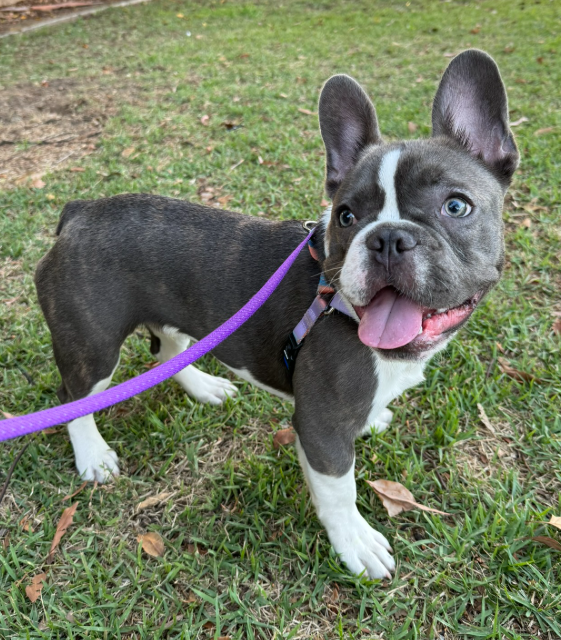
Final Thoughts & Recommendations 💭
After this whole journey with Zero, here’s what I’ve learned and what I’d recommend to other French Bulldog parents:
For First-Time Dog Owners: Start with a good quality, well-padded harness like the Pawezy. Yes, it’s more expensive upfront, but it’s worth it for your dog’s comfort and your peace of mind. The Stylish Hound harness and Rogz chain collar is great once your Frenchie has basic leash manners down pat!
My Personal Insights: Every dog is different, and what works for one French Bulldog might not work for another. Zero taught me that patience and consistency matter more than having the most expensive gear or the most highly-rated trainer. Some days our walks are perfect, other days he still tries to chase every leaf that moves – and that’s okay! 🍃
The Most Important Lesson: Consistent daily effort and finding the right tools for YOUR specific dog are infinitely more important than any single product or training session. Don’t get discouraged if the first harness or training method doesn’t work perfectly. Keep trying different approaches until you find what clicks with your furry buddy.
My Current Setup: These days, Zero and I use the Stylish Hound harness for our longer walks and training sessions, and quick trips around the block. We’ve developed our own little routine and signals that work for us, and honestly, that took time and patience more than any fancy equipment.
For the French Bulldog Harness Shopping: Remember that Frenchies have unique body shapes – they’re barrel-chested with shorter necks, so make sure whatever French Bulldog harness you choose accounts for this. Always prioritize comfort and breathing over aesthetics!
Remember, fellow Frenchie parents: leash training is a marathon, not a sprint. Be patient with your little bulldozer, celebrate small victories, and don’t be afraid to try different approaches until you find what works. Zero and I are still learning together every day, and honestly, that’s half the fun of being a dog parent! 🐾
Happy walking, everyone! 🚶♀️🐕🦺
Are you facing the same struggles with your French Bulldog as we did with Zero? Or maybe you’re still browsing for the best French Bulldog harness for your pup?
I hope this post — and the previous one — help guide your decision!
And if you have any leash training tips that worked for your Frenchie, please share them in the comments. We’re all learning together on this French Bulldog journey! 💕
** As an Amazon Associate I earn from qualifying purchases.
#FrenchBulldogTraining,#FrenchieHarnessTips,#BestHarnessForFrenchBulldog,#LeashTrainingTips,#FrenchieParents,#DogTrainingJourney,#FrenchBulldogGear,#LifeWithAFrenchie
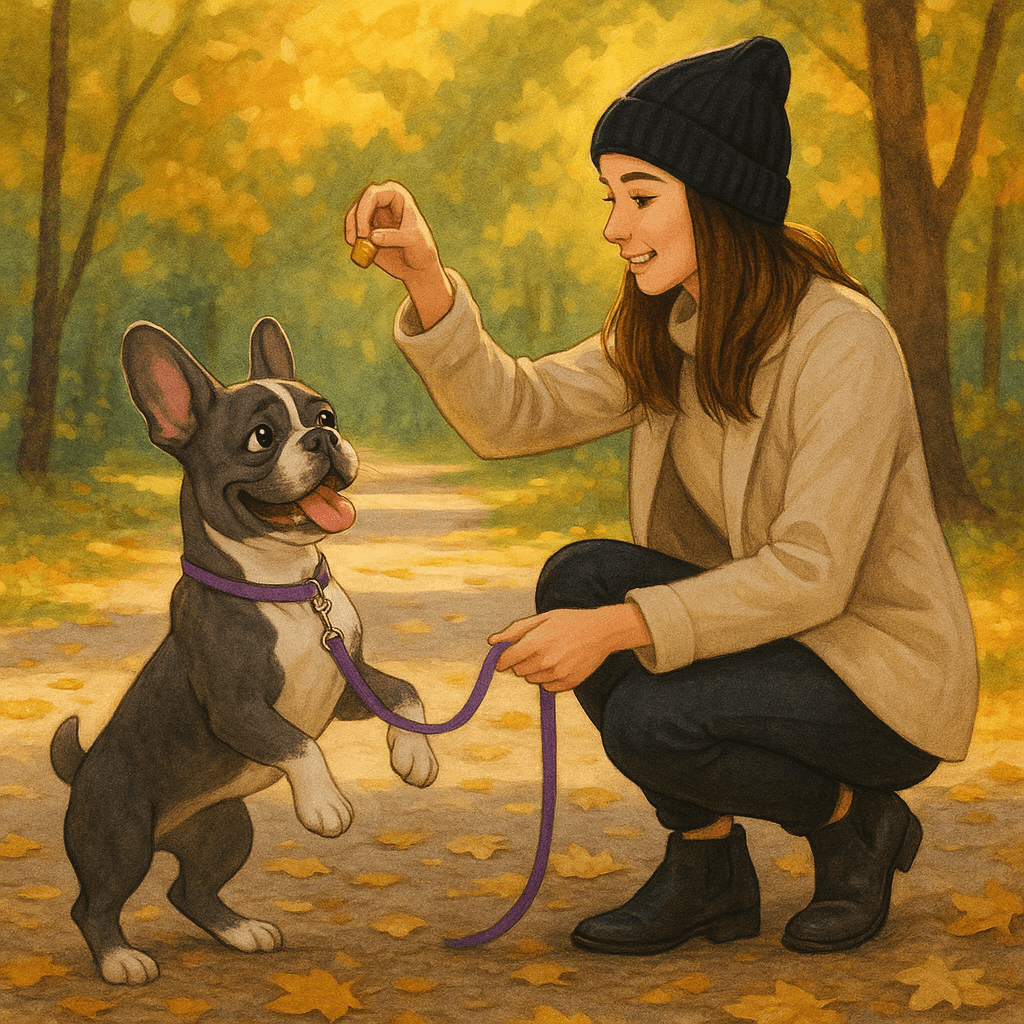
 Zero to Hero
Leave a comment