
As a dog owner, few things are more concerning than discovering your furry companion has picked up unwanted guests. Parasites like heartworms, fleas, and ticks aren’t just annoying they can pose serious health risks to your beloved pet.
The good news? With the right knowledge and preventative approach, you can keep these troublesome invaders at bay and ensure your dog lives a healthy, comfortable life.

Understanding Common Parasites: Know Your Enemy
Heartworms: The Silent Threat
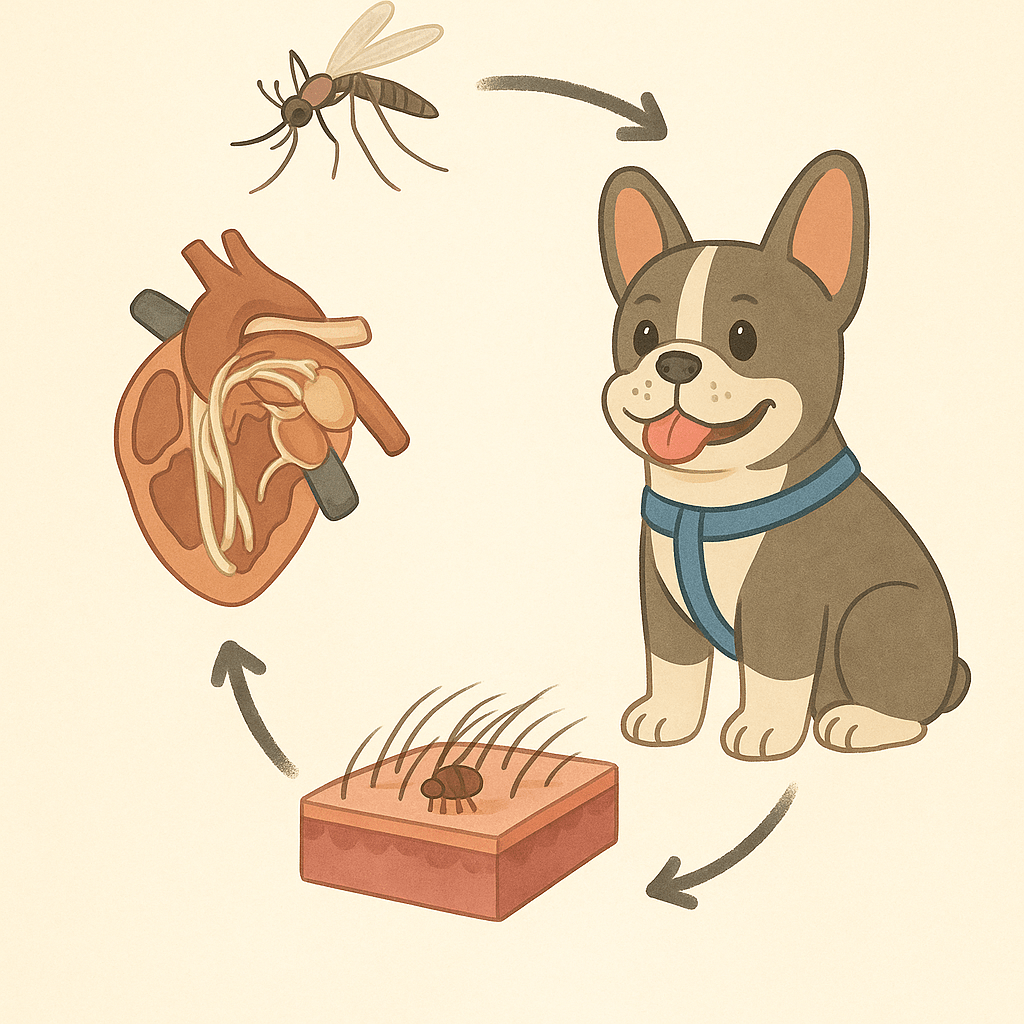
Heartworms are among the most dangerous parasites affecting dogs. These thin, spaghetti-like worms grow up to 12 inches long and live in the heart, lungs, and blood vessels of infected animals. Dogs contract heartworms through mosquito bites when an infected mosquito feeds on your dog, it deposits microscopic larvae that eventually mature into adult worms over six months.
Left untreated, heartworms cause severe lung disease, heart failure, and damage to other organs. The treatment process is lengthy, expensive, and can be risky for your dog’s health, making prevention absolutely crucial.
Fleas: More Than Just an Itch
Fleas are tiny, wingless insects that feed on your dog’s blood. A single flea can lay up to 50 eggs per day, quickly turning a minor problem into a major infestation. Dogs pick up fleas from contaminated environments, other animals, or even from you bringing them inside on your clothing.
Beyond causing intense itching and discomfort, fleas can transmit diseases, cause allergic reactions, and lead to anemia in severe infestations, particularly in puppies or elderly dogs.
Ticks: Disease-Carrying Hitchhikers
Ticks are arachnids that attach to your dog’s skin and feed on blood for days at a time. Dogs typically encounter ticks in tall grass, wooded areas, or brushy environments. These parasites are notorious for transmitting serious diseases including Lyme disease, Rocky Mountain spotted fever, and ehrlichiosis.
Other Common Parasites
Intestinal worms like roundworms, hookworms, and tapeworms can also affect your dog’s health, causing digestive issues, weight loss, and nutrient deficiencies. Dogs often contract these through contaminated soil, infected prey, or flea ingestion.
Why Prevention is Everything
Prevention isn’t just convenient. It’s essential for your dog’s wellbeing and your peace of mind. Here’s why consistent parasite prevention should be non-negotiable:
- Health Protection:
Preventing parasites is far safer and less stressful for your dog than treating an active infection. Heartworm treatment, for example, involves multiple injections and months of restricted activity, while prevention requires just a simple monthly medication. - Cost Effectiveness:
Prevention costs a fraction of treatment expenses. Treating heartworm disease can cost thousands of dollars, while annual prevention typically costs under $200. - Quality of Life:
Parasite-free dogs are happier, more comfortable, and more active. They sleep better, play more, and don’t suffer from constant itching or internal discomfort. - Longevity:
Dogs protected from parasites typically live longer, healthier lives with fewer complications and chronic health issues. - Family Protection:
Some parasites can affect humans too, making prevention important for your entire household’s health.
💊Proven Prevention Methods and Products (Australia-Based)
💉 Annual Heartworm Injections
🇦🇺 ProHeart SR-12 (12-month protection)
A long-acting injectable given by your veterinarian that provides year-long heartworm prevention with a single dose.
Pros: No need to remember monthly meds, consistent protection, great for dogs that dislike oral meds
Cons: Requires vet visits, higher upfront cost, can’t easily discontinue if side effects occur
Best for: Dogs with reliable vet access, owners who prefer once-a-year convenience, dogs that resist pills
💡 For US: ProHeart 6 (6-month version) and ProHeart 12 (12-month) are both available by prescription
🍖 Monthly Oral Medications (Heartworm + Intestinal Worms)
🇦🇺 Milbemax or Interceptor Spectrum
These are commonly used in Australia to protect against heartworm and intestinal parasites like roundworms and hookworms. Often given as a tasty chewable or tablet.
Pros: Effective, affordable, easy to administer
Cons: Does not cover fleas or ticks, must be given monthly
Best for: Dogs in low flea/tick risk areas, budget-conscious owners
💡 For US: Heartgard Plus (beef-flavored chewable) is popular and also treats intestinal worms
🛡 Comprehensive Monthly Chews (Heartworm + Flea + Tick + Intestinal Worms)
🇦🇺 Simparica Trio, NexGard Spectra
Widely used in Australia, these monthly chewables cover heartworm, fleas, ticks, and intestinal worms in one simple dose.
Pros: All-in-one convenience, highly palatable, broad protection
Cons: Higher cost, possible side effects (though rare)
Best for: Active dogs, high-risk areas, owners wanting simple, comprehensive care
💡 For US: Simparica Trio is available and FDA-approved; NexGard Spectra is not yet approved in the U.S.
💧 Topical Treatments (Flea/Tick/Heartworm)
🇦🇺 Revolution / Revolution Plus, Advocate (by Bayer)
Applied monthly to the skin between the shoulder blades, these spot-ons protect against fleas, ear mites, heartworm, and sometimes intestinal worms (depending on the product).
Pros: Great for dogs who refuse pills, multi-parasite protection
Cons: Can be messy, may irritate skin, dog must avoid licking treated area
Best for: Dogs with sensitive stomachs, multi-dog households
💡 For US: Revolution and Advantage Multi are similar and commonly used in topical format
✅ Choosing the Right Product for Your Dog
- Very active, outdoor dog? → NexGard Spectra or Simparica Trio
- Hates pills or chews? → ProHeart SR-12 + Bravecto (3-month flea/tick tablet)
- Indoor dog in low-risk area? → Milbemax or Interceptor Spectrum
- Need to save money? → Interceptor Spectrum + a generic flea/tick spot-on
Smart Home Care Strategies
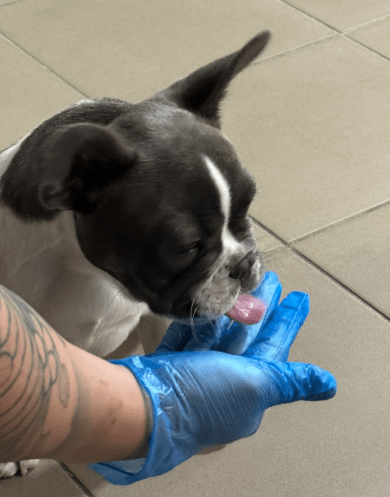
While medications provide the primary defense, these home care practices create an additional barrier against parasites:
Environmental Maintenance: Vacuum regularly, paying special attention to areas where your dog spends time. Wash pet bedding weekly in hot water and dry on high heat to eliminate flea eggs and larvae.
Yard Management: Keep grass short and remove debris where parasites might thrive. Consider beneficial nematodes for natural flea control in your yard.
Post-Walk Inspections: Check your dog for ticks after walks, especially around the ears, neck, between toes, and under legs. Remove any ticks promptly with fine-tipped tweezers.
Grooming Routine: Regular brushing helps you spot parasites early and removes flea eggs before they hatch. Use a flea comb for thorough checking.
Natural Deterrents: While not replacements for medication, cedar chips in sleeping areas and regular bathing with gentle, parasite-repelling shampoos can provide additional protection.
Indoor Environment: Control humidity levels, as fleas thrive in humid conditions. Use dehumidifiers if necessary and ensure good air circulation.
Protecting your dog from parasites isn’t complicated, but it does require consistency and commitment. The investment in prevention pays dividends in your dog’s health, happiness, and longevity.
Start by scheduling a consultation with your veterinarian to assess your dog’s specific risks and needs. They can recommend the most appropriate prevention strategy based on your location, your dog’s lifestyle, and any health considerations.
Remember that parasite prevention is a year-round commitment. Even indoor dogs need protection, as mosquitoes can enter homes and you can unknowingly bring parasites inside. Consistency is key—missed doses or gaps in coverage can leave your dog vulnerable.
Make prevention part of your routine, whether that’s setting monthly reminders for medications or scheduling annual injection appointments. Your dog depends on you for protection against these invisible threats.
By taking proactive steps now, you’re giving your furry family member the best chance at a long, healthy, and comfortable life. After all, the unconditional love and joy our dogs bring to our lives deserves nothing less than our complete commitment to their wellbeing.
#DogHealth,#HeartwormPrevention,#FleaAndTickControl,#PetCareTips,#HealthyDog,#DogCareAustralia,#MonthlyDogMedication,#FrenchBulldogCare,#VetRecommended,#YearRoundPetProtection
** As an Amazon Associate I earn from qualifying purchases.
 Zero to Hero
Leave a comment