> Part 1: Common Causes & At-Home Solutions
Part 2: Medical Reasons & Veterinary Care
22. May. 2025
Part 1: Common Causes & At-Home Solutions
< Why Dogs Frequently Lick Their Paws: A Complete Guide for Dog Parents >
If you’ve ever caught your furry friend obsessively licking their paws, you’re definitely not alone. Paw licking is one of the most common behaviors dog parents notice, and it can range from occasional grooming to persistent, concerning habits that leave you wondering what’s going on.
The truth is, dogs lick their paws for many different reasons. Some completely normal, others signaling that your pup needs a little extra care and attention. Understanding why your dog is doing this is the first step toward helping them feel more comfortable and keeping those precious paws healthy.
Whether you’re a new dog parent or you’ve been sharing your life with dogs for years, knowing the difference between normal paw licking and when it might be time to take action can make all the difference in your dog’s comfort and well-being.
Common Non-Medical Reasons
Boredom or Anxiety
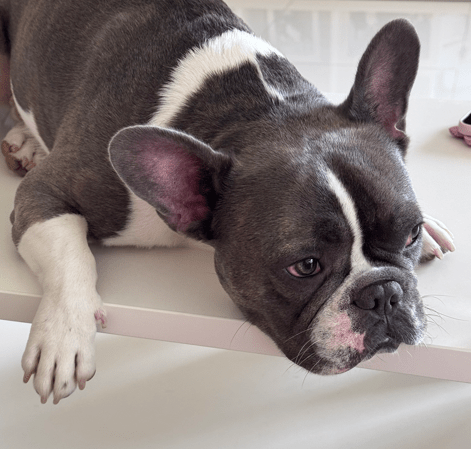
Just like humans might fidget or bite their nails when stressed, dogs often turn to paw licking as a way to self-soothe. This is especially common in intelligent, active breeds like French Bulldogs who need mental stimulation throughout the day. If your dog is spending long periods alone or not getting enough exercise and enrichment, they might develop this habit as a way to cope with pent-up energy or anxiety.
Habit or Self-Soothing Behavior
Sometimes paw licking starts for one reason but continues simply because it becomes a comforting routine. Dogs find the repetitive motion soothing, similar to how some people find comfort in repetitive activities. This is particularly common in sensitive breeds who are naturally more prone to developing coping mechanisms for stress.
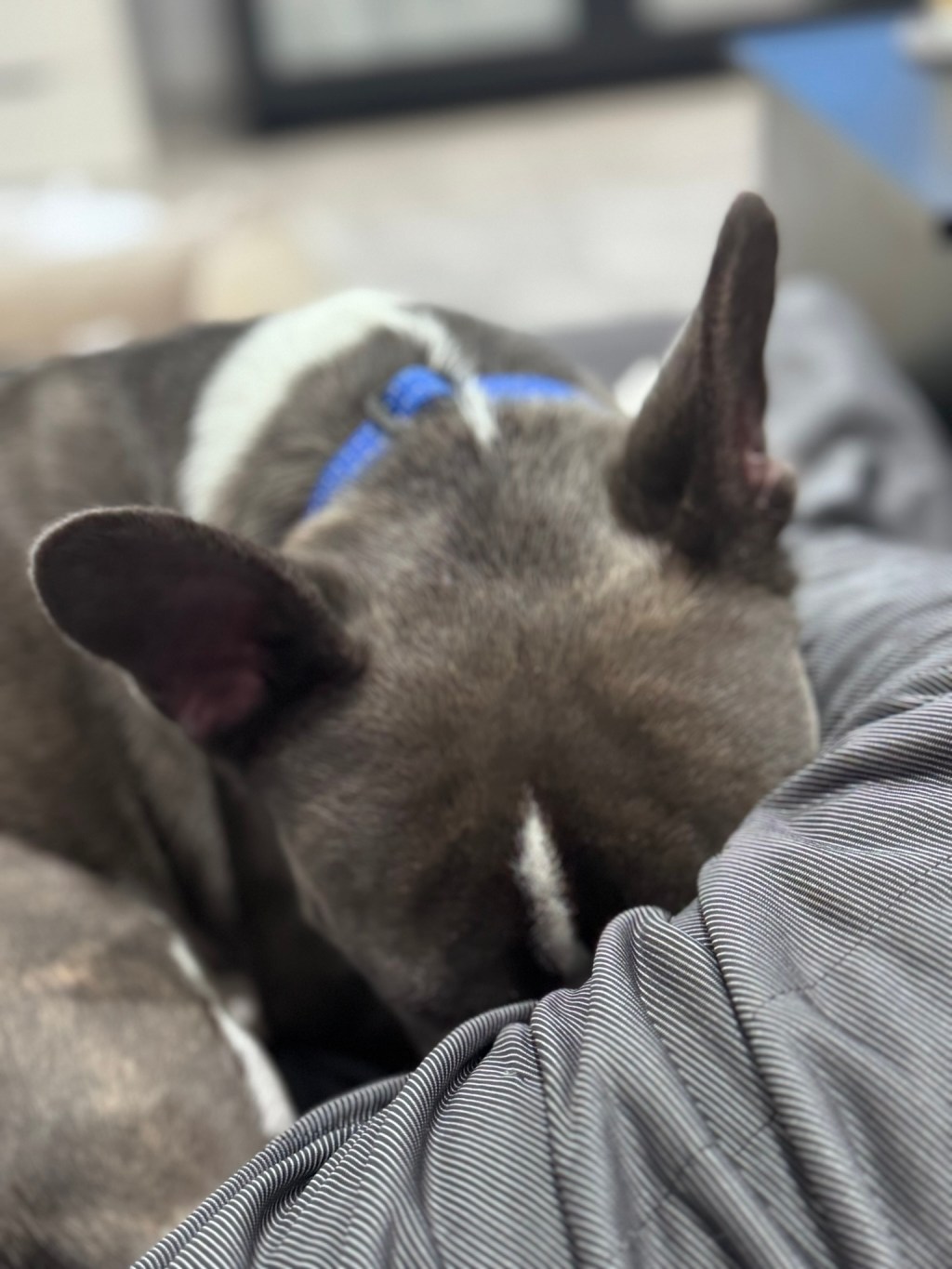
In our case, both my husband and I work full-time, so Zero does spend quite a bit of time on his own. I have weekends off, and my husband gets two weekdays off so Zero gets to be with at least one of us for about four days a week. But on the remaining days, he’s often home alone for nearly 12 hours, from around 7 AM to 6 PM. Even just those three days of extended solitude seemed to cause boredom and anxiety, which likely contributed to his paw licking as a way to self-soothe.
We started noticing the pattern and realized that what began as a little habit had turned into a source of comfort for him. If your dog is in a similar situation, keep reading to see how we’ve been addressing this with Zero through enrichment, routine tweaks, and some thoughtful changes to his environment. 💙
Environmental Triggers
What’s Sticking to Their Paws?
Your daily walks might be exposing your dog’s paws to irritants they’re trying to clean off. Salt from winter sidewalks, grass stains, dust, pollen, and even household cleaning products can leave residue on paw pads that feels uncomfortable. Many dogs will lick their paws immediately after walks as a natural cleaning response though this can sometimes lead to over-licking if the irritation persists.

How to Keep Paws Clean & Irritant-Free: Home & Natural Remedies
- Wiping Paws After Walks
- Make it a routine to gently wipe your dog’s paws with a damp cloth or pet-safe wipes after every walk. This removes potential irritants before they can cause problems and helps you spot any cuts or foreign objects early.
- Using Paw Balms or Moisturizers
- High-quality paw balms can soothe dry, cracked paw pads and create a protective barrier against irritants. Look for products with natural ingredients like shea butter, coconut oil, or beeswax. Apply these especially during harsh weather conditions.
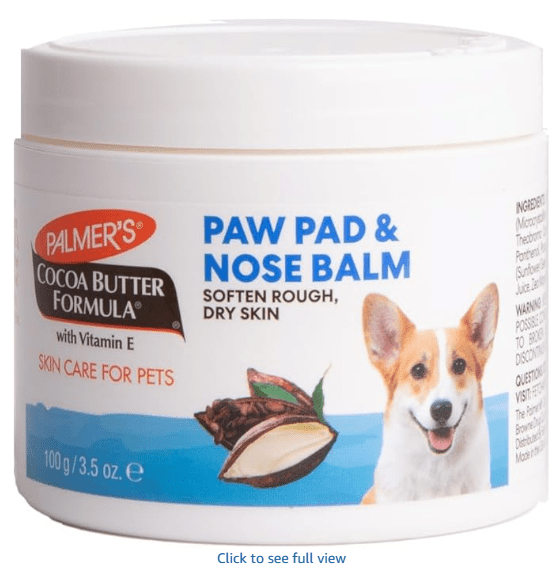
- As for his paw pads, we recently switched to a new balm after finishing one that a neighbor had kindly shared with us and I have to say, the results have been great so far!
“Palmer’s Cocoa Butter Fragrance Free All Over Relief Balm for Dogs | Dog Skin Soother Balm”
- Epsom Salt or Chamomile Soaks
- Gentle soaks can provide immediate relief for itchy, irritated paws. Mix a tablespoon of Epsom salt in warm water and let your dog’s paws soak for 5-10 minutes. Chamomile tea (cooled) can also be soothing and has natural anti-inflammatory properties.
- As many Frenchie parents know, dry skin is an all-too-familiar issue with this breed and Zero is no exception. While his condition isn’t severe, we’ve seen occasional small bumps on his back and flaky patches that fall off like dandruff, especially during drier months. His belly and paw pads areas with little or no fur seem to get dry easily too.
To help with this, we start by giving him a warm soak using chamomile tea bags for about 20 minutes before bath time. Then, we use a gentle shampoo and conditioner with oat extract during bath time to soothe and hydrate his skin. After bathing, I always apply a thin layer of coconut oil to help lock in moisture.
- Wearing Booties or Protective Gear
- Dog booties aren’t just for fashion—they can protect sensitive paws from salt, chemicals, hot pavement, and allergens. Start with short periods to help your dog adjust, and make sure the booties fit properly to avoid creating new problems.
- Enrichment and Anxiety-Reducing Activities
- If boredom or anxiety is the culprit, puzzle toys, longer walks, training sessions, and interactive games can redirect your dog’s energy into more positive outlets. French Bulldogs, in particular, benefit from mental stimulation that challenges their intelligent minds.
💡Prevention Tips
Regular Paw Checks Make weekly paw examinations part of your routine. Look between toes, check paw pads for cuts or cracks, and feel for any swelling or unusual bumps. Early detection makes treatment easier and more effective.
Nail Trimming & Grooming Keep nails trimmed to prevent them from catching on things and causing injuries. Regular grooming also helps you spot problems early and keeps the hair between toes trimmed to reduce moisture retention.
Diet and Supplement Suggestions A high-quality diet supports overall skin health. Consider adding omega-3 fatty acids, which can help reduce inflammation and support healthy skin. Always consult your vet before adding supplements to your dog’s routine.
Avoiding Known Irritants During Walks Once you identify triggers, you can avoid them. This might mean choosing different walking routes during high pollen seasons, avoiding recently treated lawns, or timing walks to avoid the hottest part of the day when pavement can burn paw pads.
** As an Amazon Associate I earn from qualifying purchases.
We’ve covered the common causes and home remedies. Now let’s take a look at what to do when it’s something more serious. ➡️ [Continue to Part 2: Medical Reasons & Veterinary Care]
 Zero to Hero
Leave a comment