When we first welcomed Zero into our lives,
we were completely smitten by how adorable he was (granted, I might be a little biased 😊).
Naturally, we started dreaming of one day seeing a “mini Zero” — a little pup that looked just like him.
So at first, we thought it would be nice to avoid neutering, and maybe even consider breeding him.
That idea stayed with us for a while… Until one day, we heard that in Australia, breeding is not allowed unless you’re a registered breeder.
We assumed it meant neutering was mandatory. So we went ahead and scheduled the procedure.
But later on, after digging a bit deeper, we learned that it’s not actually a legal requirement.
And honestly, had we known that earlier, we might have made a different choice one that could have brought us a second-generation Zero.
Of course, the surgery has already been done, and that dream has been set aside.
But still, I sometimes wonder… 💙
✅ Why It’s Important
💡Desex [Spaying (female) or neutering (male)] your French Bulldog offers several benefits:
- Reduces risk of reproductive cancers: Spaying significantly lowers the chances of mammary tumors and uterine infections, while neutering reduces testicular and prostate issues.
- Eases behavioral concerns: Can help reduce roaming, marking, and anchor-related behaviors in males, and prevent heat cycles in females.
- Supports overall health: May decrease certain hormone-driven illnesses and improve posture and aggression control.
🗓️ Best Timing for the Procedure
Vets typically recommend scheduling the procedure during puppyhood:
- Between 4–9 months, often before the first heat cycle for females.
- Timing may vary based on breed-specific factors and individual health—consult your vet for personalized advice.
⚠️ Potential Risks & Considerations
- Anesthesia risk: French Bulldogs are brachycephalic, meaning they have flat faces and challenging airways, requiring careful anesthetic monitoring.
- Growth & orthopedic effects: Neutering too early may slightly increase risk of hip dysplasia or ligament injuries.
- Weight management: Hormonal changes can lead to slower metabolism—monitor diet and exercise accordingly.
✅ Desexing Laws & Costs in Australia (Based on NSW Regulations)
As I mentioned earlier, we initially wanted to see a second-generation Zero someday. But we had heard that desexing was required in Australia, so we went ahead with the procedure.
At the time, we didn’t do much research — we simply assumed it was mandatory and scheduled the surgery.
But now that I’m sharing our experience, I took the opportunity to actually look into the legal requirements.
| Satete | Desexing Requirement (Mandatory or Not) |
|---|---|
| NSW (New South Wales) | NOT |
| SA (South Australia) | Mandatory |
| WA (Western Australia) | Mandatory (Planned/Future) |
| VIC (Victoria) | NOT |
| QLD (Queensland) | NOT |
| TAS (Tasmania) | NOT |
* From December 2025, all breeders in NSW will be required to register, strengthening desexing regulations.
Reference: New rules for dog breeders in NSW
Turns out, desexing isn’t actually legally mandatory in NSW where we live — I only found that out after the fact.
If I hadn’t known at all, maybe I wouldn’t have felt so torn… But realizing it later made me feel a bit regretful and honestly, a little guilty towards Zero. 😢
Still, what’s done is done 😂 and what matters now is that Zero recovered well and stays healthy.
Now that we’ve covered the legal side of desexing, let’s take a look at the actual costs involved.
What surprised me during my research was that the cost differs depending on the dog’s gender, since the surgical procedures are not the same.
📌 As shown earlier, I’ve summarized desexing requirements by state.
📊 And below, you’ll find an overview of average desexing costs across Australia.
If you’re currently considering desexing your pup, I hope my experience — along with these insights — gives you a clearer picture to help guide your decision.
| Dog Size | Male | Female |
|---|---|---|
| Small Breed | $200~$300 | $300~$400 |
| Medium Breed | $300~$500 | $400~$600 |
| Large Breed | $400~$600 | $500~over $700 |
*Please note: Surgery costs may vary depending on your dog’s size, age, health condition, location, veterinary clinic, and insurance coverage. For reference only.
🏥 January 24, 2024 – Zero’s Neutering Day + Real Purchase Receipt
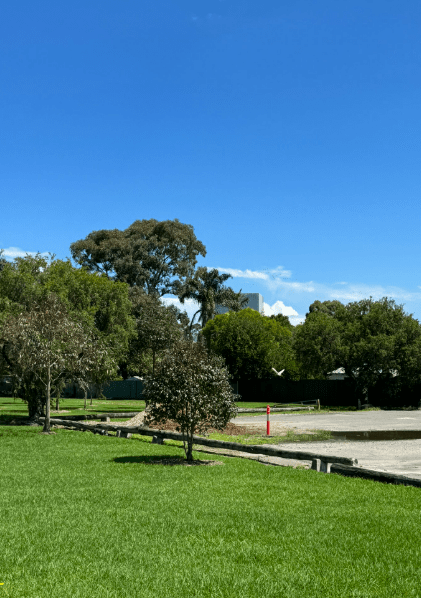
The day had finally come. And of course, the weather was absolutely perfect—too perfect, really 😭😂
We had an appointment at 9:30 in the morning, so we woke up early and took Zero out for a nice, energetic walk.
Just like we were told during our very first consultation after bringing Zero home, the plan was to get him desexed during the junior stage and have his microchip implanted at the same time—so we decided to go ahead with both procedures.
Zero had always been incredibly energetic—so much so that training him felt almost impossible. He was completely wild and all over the place.
But we were told that desexing could help reduce behaviors influenced by certain hormones, like marking, aggression, and roaming.
For male dogs especially, neutering also eliminates the risk of testicular cancer and significantly lowers the chances of developing prostate issues.
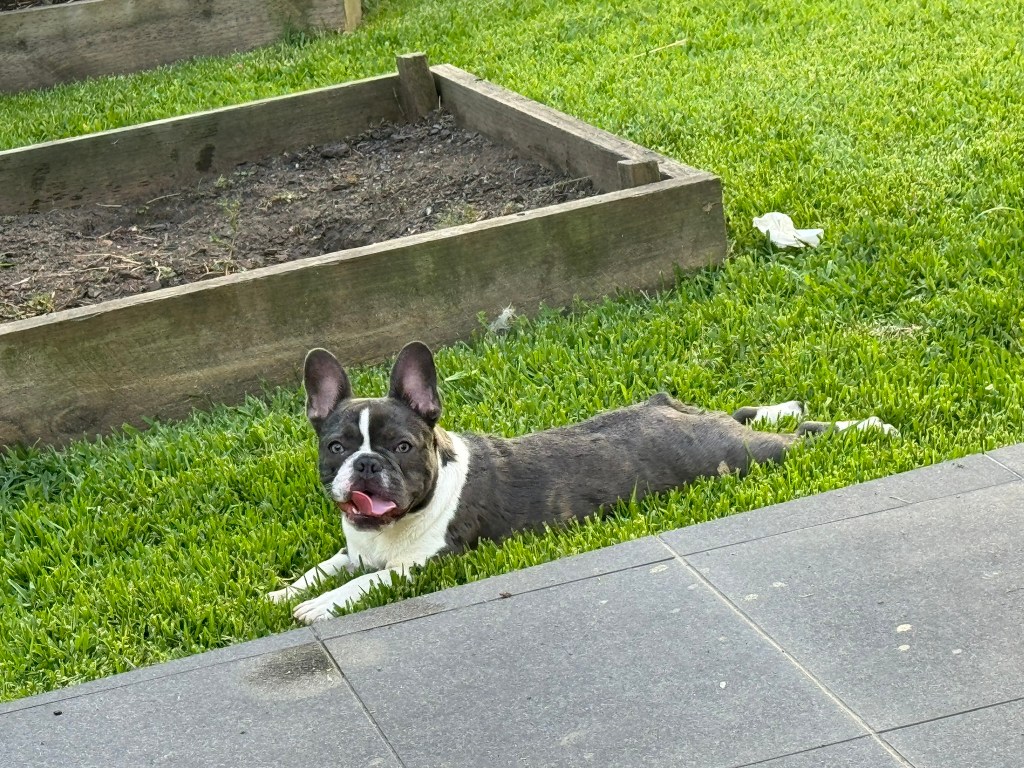
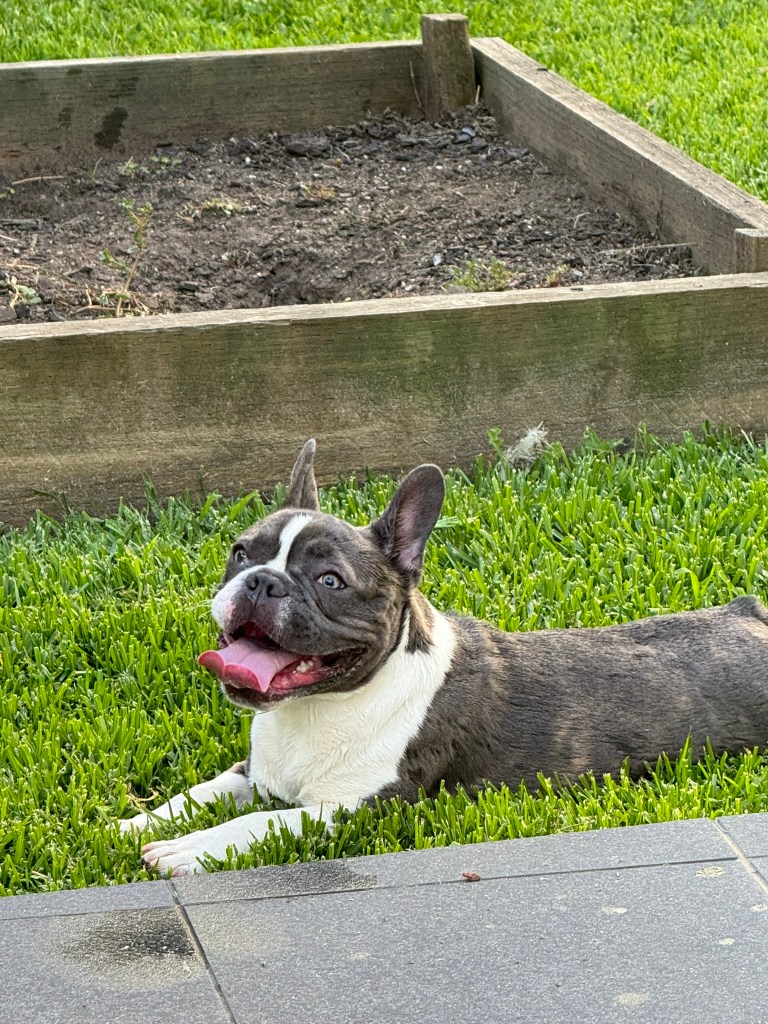
It’s also said that neutered dogs tend to live longer, and I actually found some research that supports this. (Source: EnviroLiteracy)
🐾 Planning and Aftercare Tips

⬆️ I’ve attached the vet bill we received that day—hopefully it’ll be helpful for those curious about the actual costs 🙂
So, Zero underwent neutering and microchipping at the same time,
and the total cost came to AUD 610 (approximately USD 400)
One thing to note is that Zero’s insurance plan with RSPCA didn’t cover the cost of neutering or microchipping.
When we were first signing him up for pet insurance, I did a lot of comparisons.
Some providers did offer coverage for one-time procedures like neutering or microchipping,
but in many cases, including those benefits meant sacrificing coverage for other things I actually considered more important.
After weighing all the options, we decided that RSPCA was the most practical and balanced choice overall.
I’ll also include a simple chart I made at the time, based on the notes I took while comparing plans. 👍🏻

💡 What is “Excess”?
“Excess” is the fixed amount the policyholder pays per claim before insurance kicks in.
For example: If your vet bill = $1,000 and your excess = $100 → You pay $100, insurer pays $900.
It was Zero’s first time being hospitalized alone, undergoing anesthesia and surgery—so naturally, we were quite anxious. 😥
We had a pre-surgery consultation around 9:30 a.m., dropped him off at the clinic by 10 a.m., and were finally able to pick him up close to 5 p.m.
When the nurse brought Zero out, he was fully awake from anesthesia. They confirmed that there had been no vomiting or abnormal behavior, and he had been thoroughly checked.
We were given oral and topical medications for the recovery period, along with a follow-up appointment scheduled 10 days later.


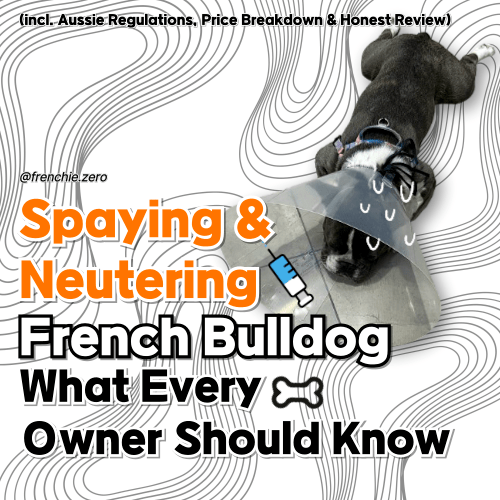
This is the protective cone (Elizabethan collar) Zero wore after the surgery.
The vet advised us to keep it on for at least the first two days.
After that, we could remove it as long as we were closely monitoring him—but it had to stay on during sleep or any time he was left unattended.
** As an Amazon Associate I earn from qualifying purchases.


He seemed sore around the incision site and spent most of the time lying flat and sleeping.
Wearing the cone made it hard to move around—it kept bumping into things, and he struggled to eat, so I hand-fed him on the first day.
For water, I used the same small bottle we used when he was a puppy, letting him sip little by little.
🔑 The most important part of post-neutering care? Don’t let your pup lick the incision.
Zero has a habit of licking, so on cone-free days, I had to keep a close eye on him.
Talk to them gently, give lots of pets, and help them stay calm and distracted.


Zero seemed uncomfortable with the hard plastic Elizabethan collar,
so we got him a soft one instead—and he was finally able to enjoy treats with ease ♥️👍🏻
💊 Treat & Medication Routine
He took oral medication twice a day, always after meals, followed by a treat as a reward.
Topical ointment was applied just once daily in the evening (though I think we only used it on the first day).
I also gave him light massages here and there to help him relax during recovery.
Avoiding the incision area, I gently rubbed his legs and around his neck where the cone sat.
It may seem like a small thing, but a little massage goes a long way when they’re feeling uncomfortable. 🙂
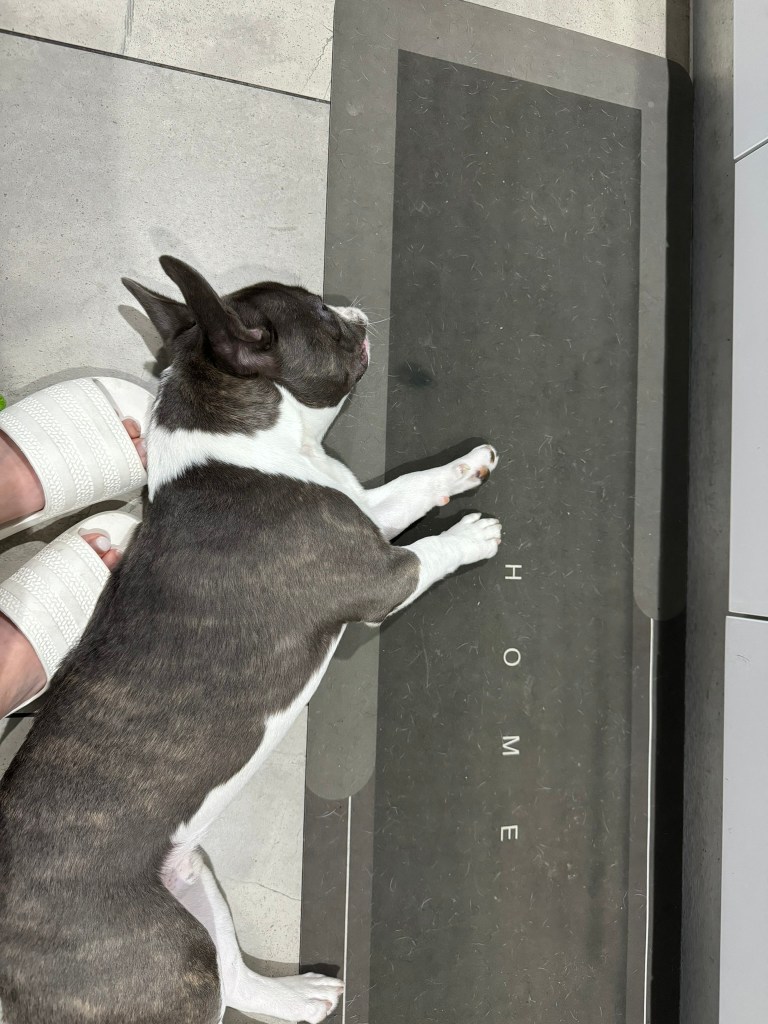
1~2 Days: Zero was mostly lying down and moving slowly.
3~4 Days: By days 3 and 4, his appetite started coming back, and before we knew it, he was zooming around the house again. 😆
From then on: He continued regaining energy day by day.
The urge to lick or scratch the incision site gradually faded on its own, too.
After about a week, he seemed almost fully recovered.
On day 10, we went back to the vet for a quick follow-up: they checked the surgical site and removed the stitches—everything looked great!
⬅️
🤳🏻Zero flopped down right in front of the kitchen while I was doing the dishes. Guess he just wanted to be close 💙
Zero had his first post-surgery bath on March 3rd—about six weeks after the procedure! 😄
⬇️ Here’s a little before(left) & after(right) shot from his spa day. 🛁✨


There were lots of worries and questions along the way, but everything went smoothly in the end—
and Zero has made a full recovery and is as happy and healthy as ever. 🐾💙
Please remember that today’s post is just for reference.
Always consult your local vet thoroughly before making any decisions.
Thanks so much for reading all the way through—sending love your way today too! 😄💞
#DogNeutering, #SpayAndNeuter, #PetDesexingAustralia, #DogHealthCare, #FrenchBulldogCare, #VetVisitExperience, #NeuteringRecoveryTips, #PostSurgeryDogCare, #PetParentingJourney, #ResponsiblePetOwnership, #DogWellnessTips, #ZeroTheFrenchie
** As an Amazon Associate I earn from qualifying purchases.
 Zero to Hero
Leave a comment